SERNbc Program Activities and Projects
 SERNbc’s membership, stakeholders, and other project proponents drive our ecosystem restoration programming. Project ideas are evaluated and prioritized by SERNbc staff and Board of Directors. The restoration objectives for new restoration project must align with SERNbc’s mission and the goals in SERNbc’s strategic plan. Go to the Application page for more information.

Vulnerable and degraded ecosystems that have high value and functional importance and are not actively managed through existing programming are a high priority for ecosystem restoration. Examples ecosystems include natural grasslands, range-lands, open Douglas-fir forests, white-bark pine stands, wetlands, and wildlife habitat.
These example ecosystems do not preclude including other ecosystem types as new project ideas and new restoration priorities are brought to SERNbc. Ecosystem restoration projects are implemented on a priority basis based on a number of indicators including an ecosystem’s functional importance, the level of vulnerability, available funding, and a number of other factors.
Click on the SERNbc Project Map to enlarge, or scroll to the bottom of the page to view map.
Projects
Caribou Recovery
Tweedsmuir-Entakio Caribou Tactical Restoration Plan (7)
Nadina-South Ootsa Woodland Caribou Road Rehabilitation Project (7)
Identifying Forest Roadways for Restoration within the Chase Caribou Herd Range (7)
Tweedsmuir Lichen Restoration Tactical Implementation Plan (7)
NE Disturbance Data Development Project (7)
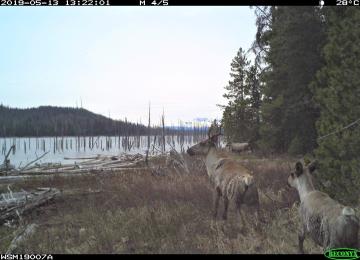
Whitesail Reach Woodland Caribou Habitat Restoration Project (7)
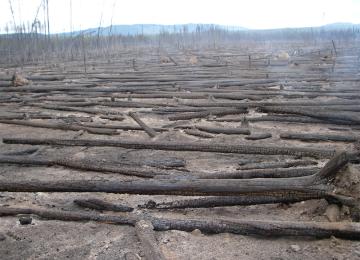
Laidman Caribou Trail (7)
Wildfire Recovery
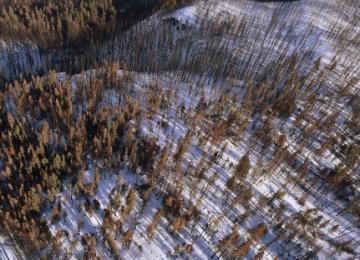
Shovel and Island Lake Ecosystem Restoration Plan (8)
Kenney Dam Ecosystem Restoration (8)
Little Bobtail Ecosystem Restoration Plan (8)
Road Rehabilitation
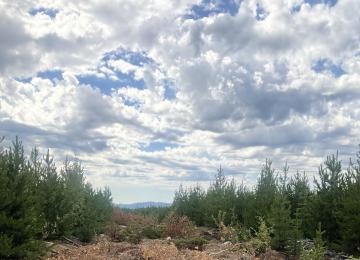
Crystal Lake Road Rehabilitation (9)
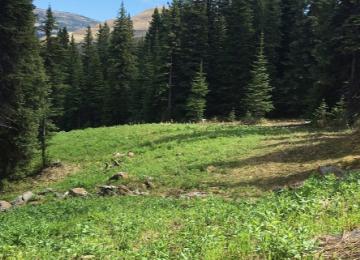
Quintette Caribou (9)
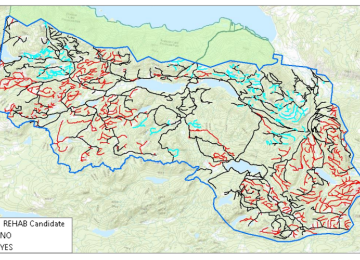
Stuart Nechako Road Rehabilitation Project (9)
Fish Passage and Stream Restoration
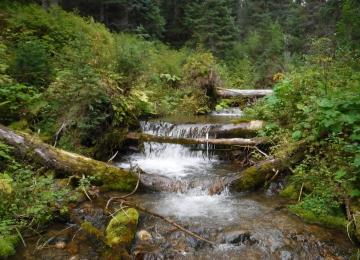
Fish Passage and Stream Restoration - Williston Watershed (10)
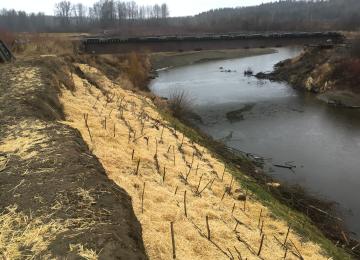
Chilako Stream and Watershed Planning and Restoration (10)
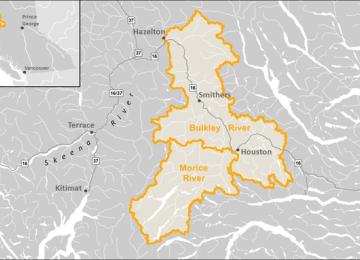
Bulkley River and Morice River Watersheds (10)
Enhancement of Wildlife Habitat
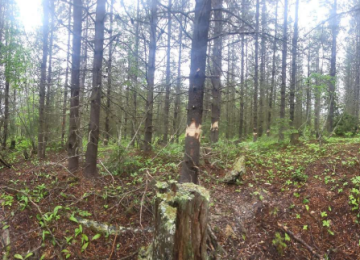
McLeod Lake Moose Habitat Enhancement Project (11)
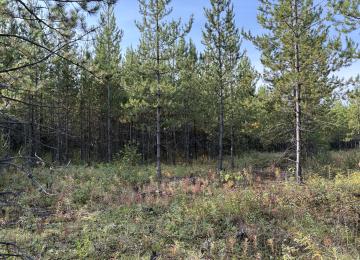
Prince George South Moose Habitat Enhancement Trial (11)
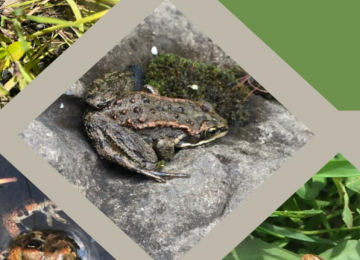
Shane Lake Amphibian Migration (SLAM) Project (11)
Ecosystem Restoration Strategic Planning
Saik'uz Ecosystem Restoration Plan (13)
Forest Carbon Initiative Reforestation Planning Project (13)
Skeena Ecosystem Restoration Opportunities (13)
Ecosystem Restoration in the South Peace (13)
Omineca (Vanderhoof) Strategic Ecosystem Restoration Planning (13)
Prescribed Fire
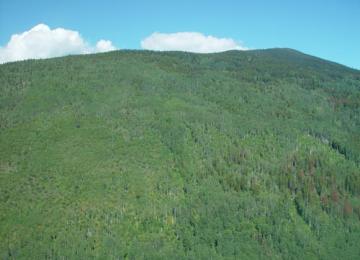
Bevel Creek (14)
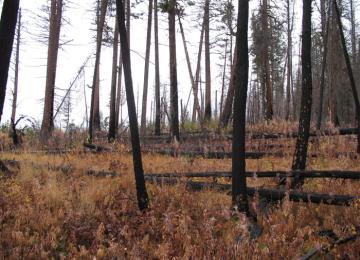
Blackwater - Prince George (14)
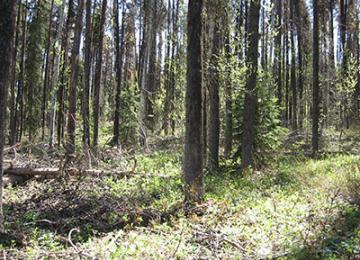
Gauis Point (14)
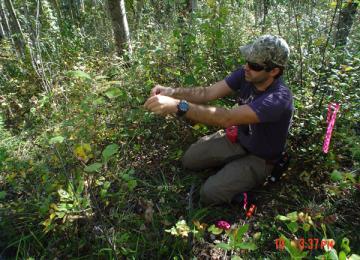
Ospika (14)
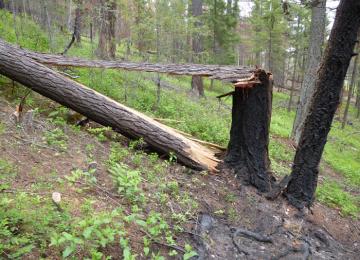
Savory Ridge (14)
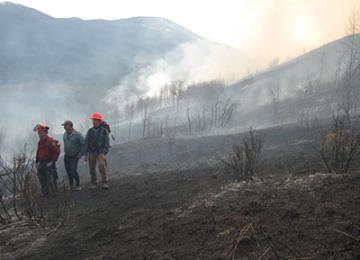
Grizzly Valley (14)
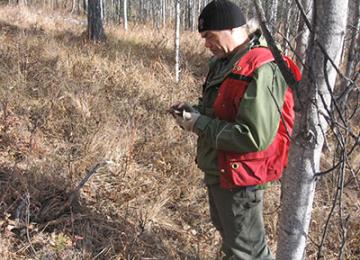
Blackwater - Kluskuz (14)
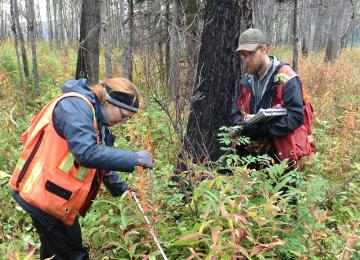
Euchiniko River (14)
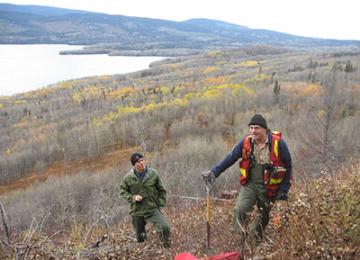
Ruby Rock (14)
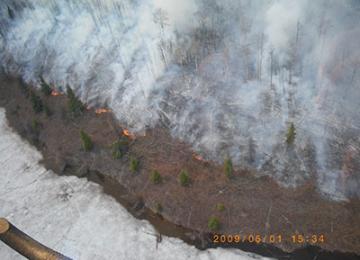
Stuart River Park (14)
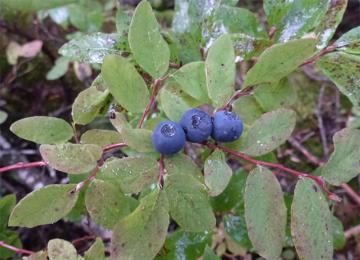
Mount Horetzky (14)
Fuel Management
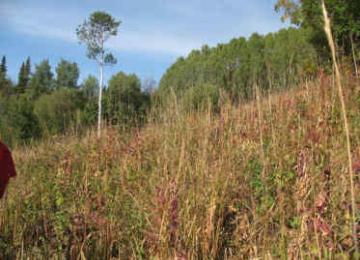
Sutherland (15)
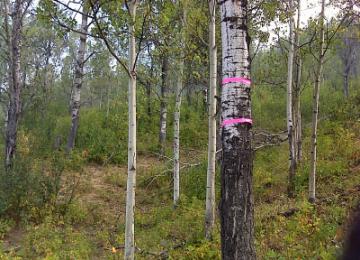
Nithi Range (15)
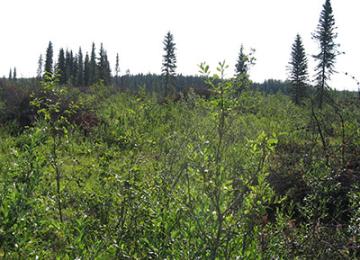
Cluculz Hardwood Conversion Trial (15)
Species at Risk
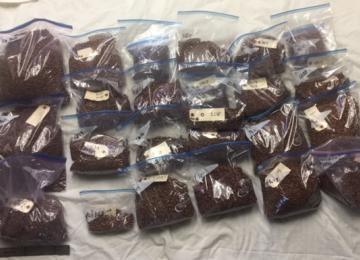
Whitebark Pine Ground Treatments (16)
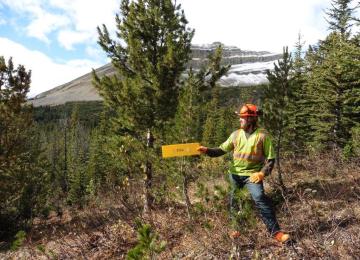
Mount Robson Whitebark Pine (16)
Stocking Standards
Restoration Stocking Standards and Professional Practices (18)
News
AUG 30, 2026
Announcing sponsorship opportunities to support knowledge sharing and capacity building for "Turning Ideas into Action."
AUG 25, 2026
Click to read more about the latest regional organizer to join the CoP team.
Check for a summary of the April 2026 workshop held in Fort St. John by our northeast regional community of practice.
JUL 15, 2026
Notes and photos from our July 8th field tour in the Terrace area with the Skeena regional group.
Register to meet up in person July 8th and tour the award winning Kitimat-Stikine Waste Management Compost and Leachate System and Terrace Community Forest's innovative Wildlife Silvicultural Stewardship Program.
Application Criteria
SERNbc uses three general criteria to select specific ecosystems for restoration activities, which include:
- Ecosystem vulnerability,
- Functional importance of the ecosystem, and
- Existing management mechanisms and/or programs.
Vulnerable, degraded and damaged ecosystems are a high priority for ER activities if they have high functional importance in terms of providing important ecological services. This functional importance or management priority increases when the ER needs of a subject ecosystem is not being addressed by existing programming.
Potential ER projects must align with SERNbc’s objectives as identified in our strategic plan. All ER projects undertaken by SERNbc need to be supported by data and analysis that describes their current state, desired future condition, management objectives, and treatment rationale.