SERNbc Program Activities and Projects
 SERNbc’s membership, stakeholders, and other project proponents drive our ecosystem restoration programming. Project ideas are evaluated and prioritized by SERNbc staff and Board of Directors. The restoration objectives for new restoration project must align with SERNbc’s mission and the goals in SERNbc’s strategic plan. Go to the Application page for more information.

Vulnerable and degraded ecosystems that have high value and functional importance and are not actively managed through existing programming are a high priority for ecosystem restoration. Examples ecosystems include natural grasslands, range-lands, open Douglas-fir forests, white-bark pine stands, wetlands, and wildlife habitat.
These example ecosystems do not preclude including other ecosystem types as new project ideas and new restoration priorities are brought to SERNbc. Ecosystem restoration projects are implemented on a priority basis based on a number of indicators including an ecosystem’s functional importance, the level of vulnerability, available funding, and a number of other factors.
Click on the SERNbc Project Map to enlarge, or scroll to the bottom of the page to view map.
Projects
Caribou Recovery
Tweedsmuir-Entakio Caribou Tactical Restoration Plan (7)
Nadina-South Ootsa Woodland Caribou Road Rehabilitation Project (7)
Identifying Forest Roadways for Restoration within the Chase Caribou Herd Range (7)
Tweedsmuir Lichen Restoration Tactical Implementation Plan (7)
NE Disturbance Data Development Project (7)
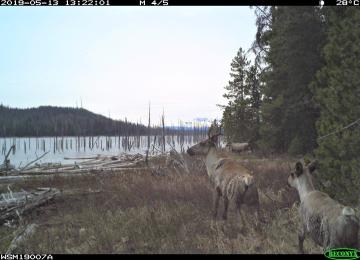
Whitesail Reach Woodland Caribou Habitat Restoration Project (7)
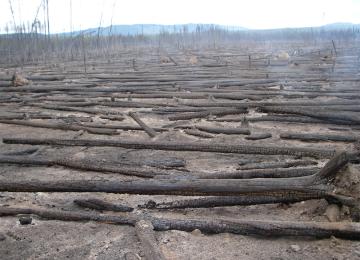
Laidman Caribou Trail (7)
Wildfire Recovery
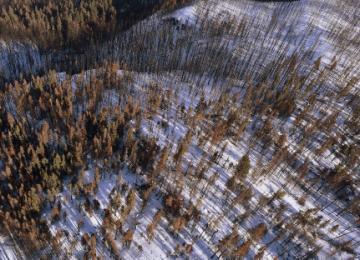
Shovel and Island Lake Ecosystem Restoration Plan (8)
Kenney Dam Ecosystem Restoration (8)
Little Bobtail Ecosystem Restoration Plan (8)
Road Rehabilitation
Stuart Nechako Road Rehabilitation Project (9)
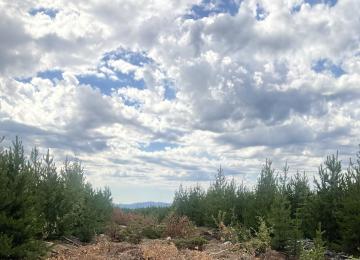
Crystal Lake Road Rehabilitation (9)
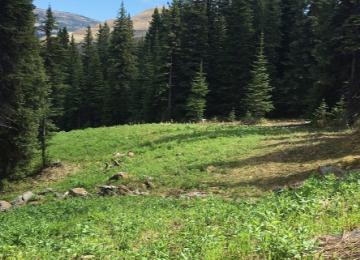
Quintette Caribou (9)
Fish Passage and Stream Restoration
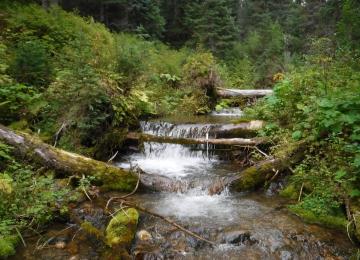
Fish Passage and Stream Restoration - Williston Watershed (10)
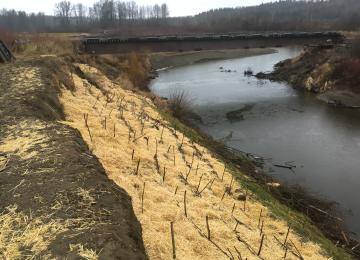
Chilako Stream and Watershed Planning and Restoration (10)
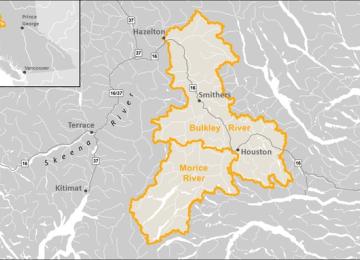
Bulkley River and Morice River Watersheds (10)
Enhancement of Wildlife Habitat
Prince George South Moose Habitat Enhancement Trial (11)
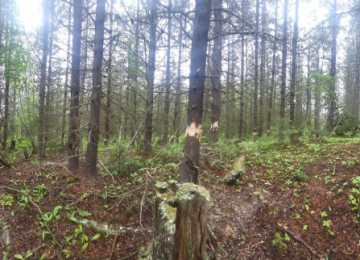
McLeod Lake Moose Habitat Enhancement Project (11)
Ecosystem Restoration Strategic Planning
Saik'uz Ecosystem Restoration Plan (13)
Forest Carbon Initiative Reforestation Planning Project (13)
Skeena Ecosystem Restoration Opportunities (13)
Ecosystem Restoration in the South Peace (13)
Omineca (Vanderhoof) Strategic Ecosystem Restoration Planning (13)
Prescribed Fire
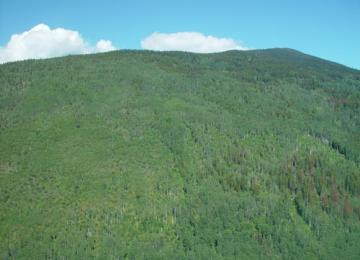
Bevel Creek (14)
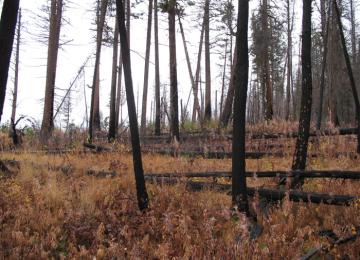
Blackwater - Prince George (14)
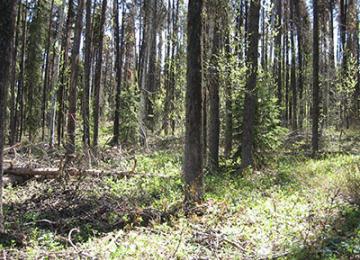
Gauis Point (14)
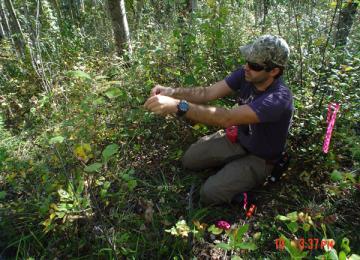
Ospika (14)
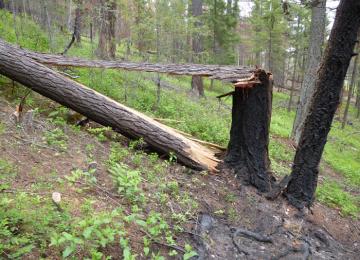
Savory Ridge (14)
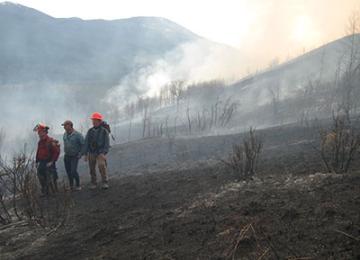
Grizzly Valley (14)
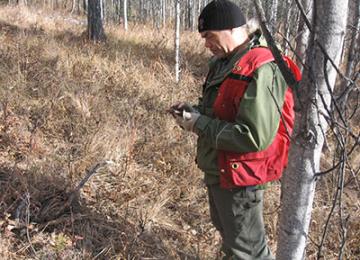
Blackwater - Kluskuz (14)
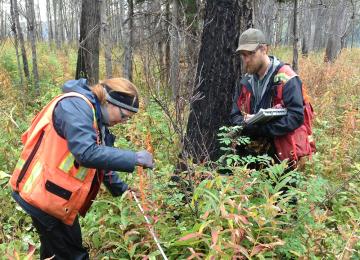
Euchiniko River (14)
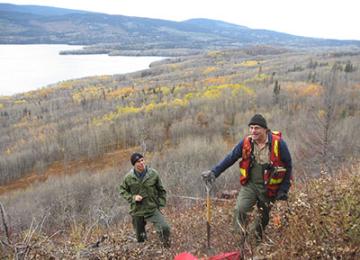
Ruby Rock (14)
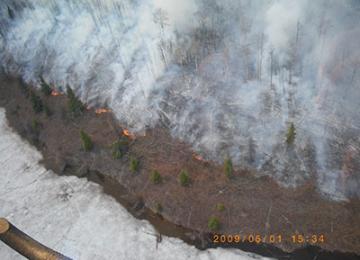
Stuart River Park (14)
Mount Horetzky (14)
Fuel Management
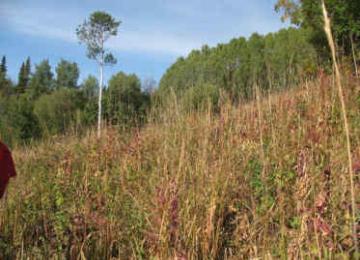
Sutherland (15)
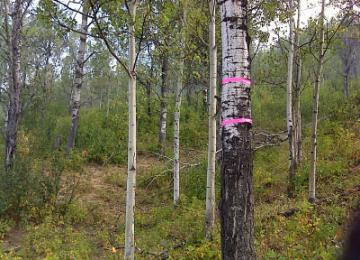
Nithi Range (15)
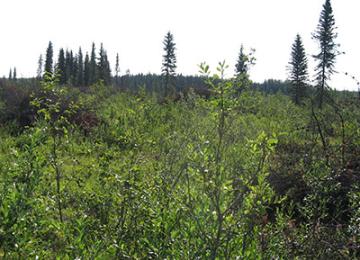
Cluculz Hardwood Conversion Trial (15)
Species at Risk
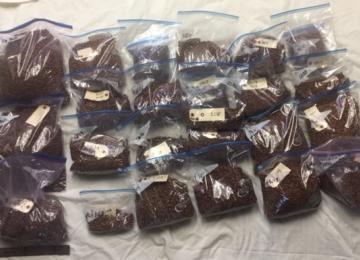
Whitebark Pine Ground Treatments (16)
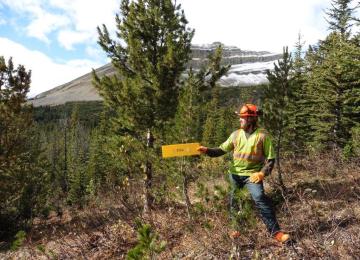
Mount Robson Whitebark Pine (16)
News
The presence of amphibians (toads, frogs, salamanders) indicates a healthy ecosystem. Established in 2025, the Shane Lake Amphibian Migration (SLAM) Project began at a popular recreation area near the University of Northern BC.
AUG 13, 2026
Read on to learn about Whitebark Pine Ground Treatments
AUG 10, 2026
Get a behind-the-scenes look at a collaborative moose habitat enhancement project we've been working on in the McLeod Lake area.
OCT 6, 2026
SERNbc staff and Board came together for our first leadership retreat to reflect on how far we've come as a grassroots society, name the values that guide our work, and align on how we'll lead together as we grow.
Come to Terrace ready to share what you know, learn from others, and leave with new ideas, new connections, and renewed energy for the restoration work ahead. Remote attendance is also possible! Dial in to watch the knowledge exchange sessions on ungulates, riverscapes, cultural connections, and socioeconomics.
Application Criteria
SERNbc uses three general criteria to select specific ecosystems for restoration activities, which include:
- Ecosystem vulnerability,
- Functional importance of the ecosystem, and
- Existing management mechanisms and/or programs.
Vulnerable, degraded and damaged ecosystems are a high priority for ER activities if they have high functional importance in terms of providing important ecological services. This functional importance or management priority increases when the ER needs of a subject ecosystem is not being addressed by existing programming.
Potential ER projects must align with SERNbc’s objectives as identified in our strategic plan. All ER projects undertaken by SERNbc need to be supported by data and analysis that describes their current state, desired future condition, management objectives, and treatment rationale.